
Rights Holders Own the Moment and the Audience: Sponsors Want Both
Nick Lockwood
·

Key Takeaways
Sponsors now expect sponsorship to prove its results the way paid media does. Rights holders are well placed to deliver, because they own both the moments and their most engaged fans.
Creative drives about half of advertising's sales effect, so turning a match's moments into branded ads on the day, or utilising archive footage, matters more than finer targeting.
Campaigns built this way have produced click-through rates 1.6 times the Meta sports benchmark and cost per engagement six to eight times more efficient than conventionally produced brand content.
What Sponsors Want from Sport
Of everything sport offers a sponsor, the moment and the audience are the hardest to find anywhere else. Sell them together as one story and a sponsorship can compete for the budgets that go to search and social advertising.
Those budgets are tracked closely. Digital channels take about 60% of marketing dollars, largely because their results are easy to measure, according to SportsPro, which expects chief marketing officers to ask sponsorship for more sophisticated measurement this year. Sponsors increasingly want the answer a paid social campaign gives each morning: who saw the ad, and what they did next.
Rights holders own the raw material for both: the moment, such as a late winner or a diving save, and the fans who follow the club closely enough to engage regularly. Research from the consultancy Gemba, reported in August 2026, found that fans a rights holder can contact directly were more than four times as likely as the general population to name a sponsor unprompted.
Why Is Creative the Bottleneck?
Sponsor creative is usually signed off weeks before the first fixture, while the moments fans share happen on match day. A campaign approved in August cannot show Saturday's winning goal.
The timing matters because creative is the largest single driver of advertising results. NCSolutions' 2023 meta-study found creative accounts for 49% of the incremental sales from advertising, against 11% for targeting.
Producing fresh, branded ads for each fixture by hand takes editors, designers, and approval rounds, so campaigns often run a handful of ads for a whole season and fans who follow the team see the same ones for months.
How Moment-Led Advertising Works
Automation removes that production wait. Partnerbrite by WSC identifies key moments in a match, applies the sponsor's pre-agreed branding and call to action, and publishes the clips into paid campaigns on Meta, TikTok, YouTube, and publisher sites.
The ads go to the rights holder's fan segments, such as season-ticket holders, social followers, and recent video viewers, and can exclude people who already hold an account with the sponsor. Spend rises in the hours before each fixture, and conversions are reported against the sponsor's own goals. Fans who watch or react to a clip become targetable for a follow-up sign-up ad.
Formats follow the fixture list. Before a match, the ads might carry archive clips from the last meeting with that opponent, a preview built on player form, or a prediction offer, and after it, the key moments from the game.
The sponsor gets creative, the rights holder's audiences, paid media, and attribution in one campaign, much as a performance marketer already runs search and social advertising.
Moments That Moved the Numbers
When an overseas cricket tour went exclusively to a subscription streamer, the national governing body sent series content and a link to subscribe to two of its own fan segments: white-ball super fans and expatriates from the host nation. Click-through rate came in at 1.6 times the Meta sports and recreation benchmark.
A European football club and its betting partner served new-account offers to engaged fans in the hours before European cup matches. Registrations arrived before kick-off at their lowest cost per acquisition ever.
For a US streaming service, a basketball league's finals became hundreds of socially native clips in about a month, six to eight times more efficient on cost per engagement than conventionally produced brand content. In A/B tests, simple stickers and captions beat full motion graphics.
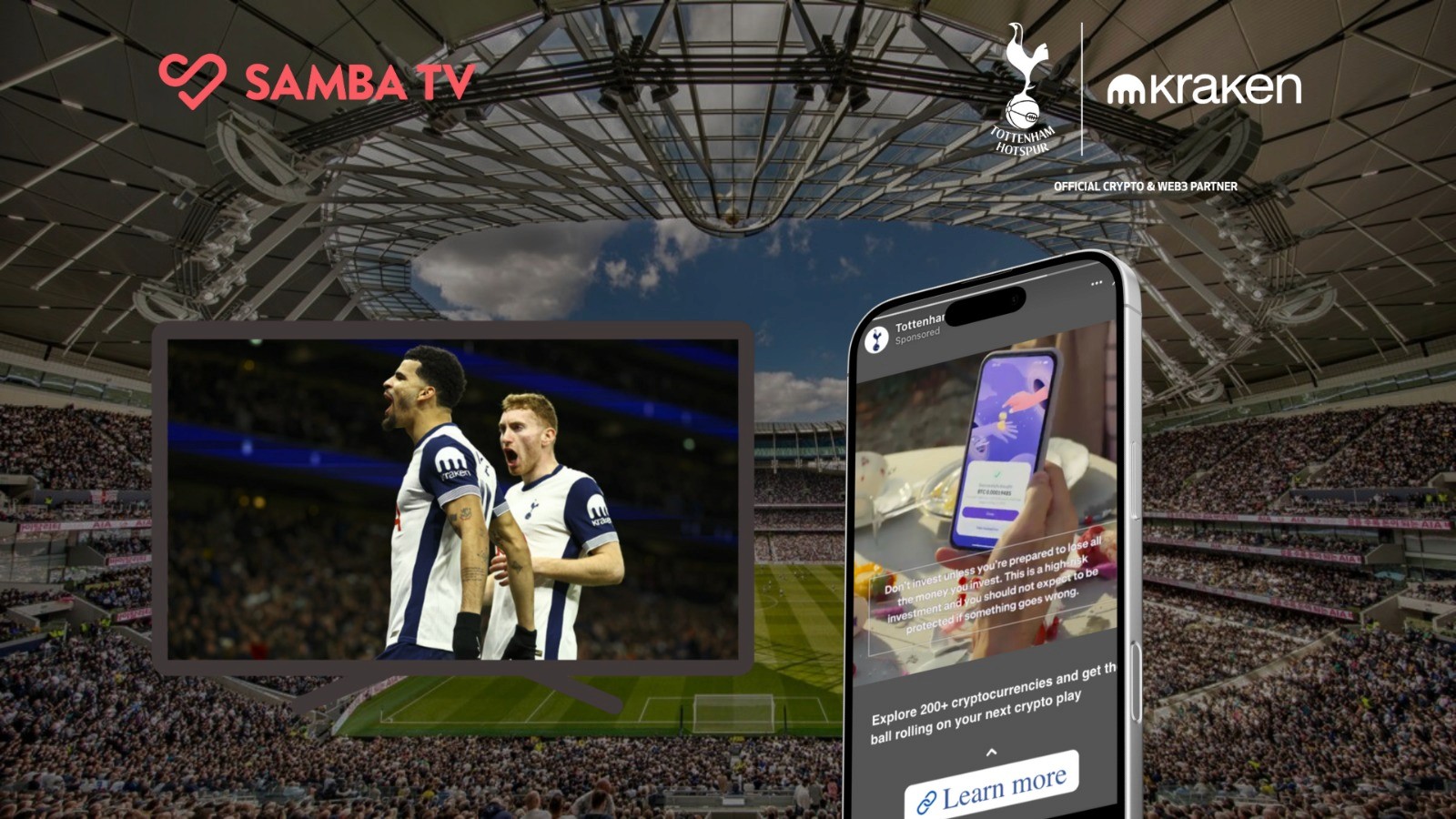
Televised sponsorship and paid social can run as one campaign. Over 96 hours, Tottenham Hotspur's crypto partner Kraken reached US fans on social media after they had watched live Premier League matches featuring its sleeve branding. Those fans were 64% more engaged than fans who saw only the digital ads, as the Tottenham Hotspur and Kraken case study sets out.
What Rights Holders Can Sell Next
Much of 2026's talk about moment marketing concerns ads triggered when a data feed registers a goal. Rights holders can put the goal itself in the ad, in front of the fans who care most about the club.
Packaged with reporting, those moments become an acquisition programme to sell alongside the shirt and the perimeter boards. Renewal talks can then start from the sponsor's own figures on registrations and acquisition costs, and the same model lets a rights holder earn a margin on media budgets that would otherwise go straight to the platforms.
The wider measurement question is covered in The Sports Sponsorship ROI Problem (And How to Fix It).
Actionable Insights
Package moments, fan audiences, and measurement as one sponsor product, reported in the figures the sponsor's marketing team already uses.
Agree overlay designs and calls to action with each sponsor before the season, so a moment can run as an ad without a fresh round of approvals.
Prioritise the hours before kick-off for acquisition offers, when fans are already thinking about the match.